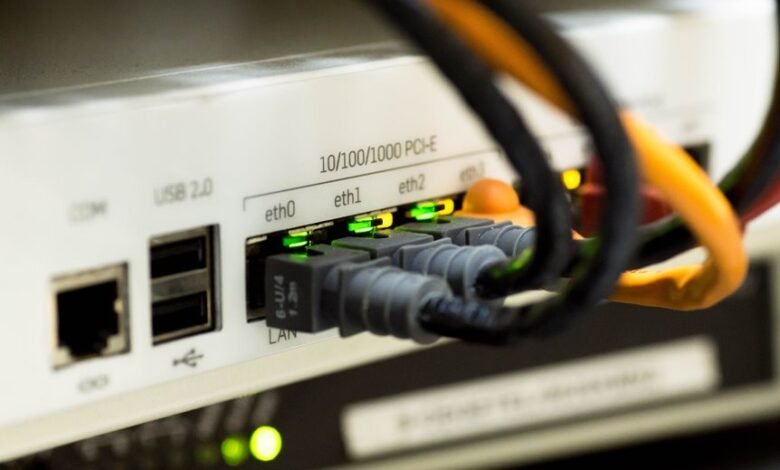
The guide for 168.1.249 router login and network management emphasizes verified identity and encrypted access. It outlines strong credentials, minimized exposure, and enforced secure interfaces. Structured onboarding, ongoing monitoring, and clear rollback options are stressed to sustain reliability. Security updates and backups are presented as routine practices. The document concludes with policy enforcement and guest access controls, inviting consideration of implementation challenges and future-proofing strategies that warrant careful attention before proceeding.
How to Log In to 168.1.249 Router Safely
To log in to a 168.1.249 router securely, one should begin by verifying the device’s identity and ensuring the connection is direct and trusted. The process emphasizes password hygiene, minimizes exposure, and uses strong, unique credentials.
Awareness of password theft and phishing scams protects router login safety, while trusted interfaces and documented procedures maintain disciplined, measured access control.
Essential Security Tweaks for 168.1.249 Networks
Essential security tweaks for 168.1.249 networks require a disciplined, systematic approach. Implement strong passwords, enable two-factor authentication where available, and keep firmware current to reduce exposure. Enforce encrypted management interfaces, disable unnecessary services, and audit logs regularly. Address privacy concerns, limit exposure to external networks, and observe bandwidth etiquette to preserve performance while maintaining robust protections.
Managing Devices and Traffic on Your 168.1.249 Router
Managing devices and traffic on a 168.1.249 router requires a structured approach to control connectivity and optimize performance.
The guide articulates disciplined, repeatable procedures for device onboarding, monitoring, and policy enforcement.
It highlights streamlined guest access and bandwidth scheduling as core tools, enabling controlled access for visitors while preserving essential resources for primary networks and critical applications.
Firmware Updates, Backups, and Troubleshooting 168.1.249
Firmware updates, backups, and troubleshooting for the 168.1.249 router are presented as a structured, repeatable process to maintain stability, security, and recoverability.
The guide emphasizes firmware backups, troubleshooting basics, and security tweaks within disciplined device management procedures.
Stepwise routines ensure minimal downtime, clear rollback options, and proactive monitoring, enabling owners to exercise control, maintain integrity, and pursue freedom through reliable network administration.
Frequently Asked Questions
Can I Change the Router’s Default Ssh/Ssh Access Settings?
Yes, SSH Access settings can be adjusted; this involves configuring user authentication, port usage, and key management. For Router Security, apply strong encryption, restrict access, and log activity. The policy emphasizes careful, deliberate changes that preserve freedom.
How Do I Enable Guest Network Isolation on 168.1.249?
A coincidence prompts this: to enable guest isolation, the router must enable guest network isolation and configure network quarantine. A meticulous procedure follows: access security settings, toggle guest network isolation to on, save, and verify connected devices are isolated.
What Parental Controls Options Exist on This Router?
Parental controls on this router include profile-based filtering, time schedules, and content blocks. The system supports parsing network events and wireless analytics for monitoring, enabling precise, methodical enforcement while preserving user freedom and network performance.
How Can I Schedule Automatic Reboots for Stability?
Automatic reboot scheduling is not inherent; a firmware update and device uptime monitoring should be configured, then the system can be rebooted on a precise timetable. This ensures stability while preserving freedom and autonomy for network management.
Is There a Way to Export Firewall Rules to Backup?
Yes, one can export firewall rules to backup by selecting the export option in the firewall settings, choosing a secure file format, and storing the backup rules in a protected repository for restoration when needed.
Conclusion
This guide delivers a rock-solid blueprint for securing the 168.1.249 router ecosystem with relentless precision. By verifying identity, encrypting access, and enforcing strong credentials, it eliminates the shadows where threats dwell. Regular firmware updates, meticulous backups, and documented troubleshooting create an impregnable, repeatable workflow. Structured onboarding, strict policy enforcement, and prudent guest controls transform management into a flawless, auditable process. In short, resilience isn’t optional here—it’s the default operating procedure, perfected to an exact science.