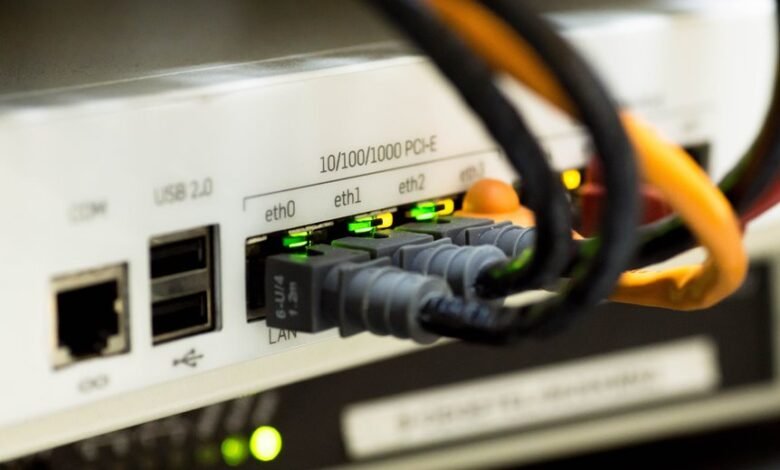
The guide on 168.18.5 router login provides a clear, methodical path to access the interface and assess device details. It highlights default credentials as provisional and stresses immediate changes, with emphasis on model identification and firmware checks. Security steps cover strong passwords, firewall setup, and controlled guest access. Troubleshooting sections offer practical, quick fixes. A structured approach is presented, but a critical step remains—understanding how these settings integrate with broader network goals to prevent gaps.
How to Access the 168.18.5 Router Login Page
Access to the 168.18.5 router login page is obtained by opening a web browser and navigating to http://168.18.5. The procedure is straightforward: enter the page, locate the login area, and input credentials. Users perform a quick specs comparison to determine capabilities before proceeding. A firmware update may be recommended after verification of device model and current version.
Default Credentials and What to Change Immediately
Default credentials are the initial access keys for the router and must be treated as temporary. They should be changed immediately to prevent unauthorized entry.
The process demands identifying the device’s current login, updating to a strong, unique password, and verifying access after changes.
Prioritize firmware updates alongside credential changes to mitigate known vulnerabilities and preserve long-term network freedom.
default credentials, firmware updates.
Securing Your 168.18.5 Network: Passwords, Firewalls, and Guest Access
Effective security for the 168.18.5 network hinges on strong passwords, properly configured firewalls, and controlled guest access; a disciplined, stepwise approach reduces exposure to unauthorized access and botnet activity.
The strategy emphasizes network segmentation and device isolation, ensuring distinct zones for devices and services.
Rigorous password hygiene, least-privilege access, and vigilant monitoring sustain resilient, freedom-respecting network operation.
Troubleshooting Common 168.18.5 Router Issues and Quick Fixes
Common router issues on the 168.18.5 network are typically detectable through basic connectivity checks, port behavior, and firmware status. This section methodically addresses common failures, guiding users through quick fixes without overcomplication. It emphasizes evaluating network topology, identifying wireless interference sources, and performing targeted resets, firmware updates, and configuration checks to restore stable, freedom-oriented network performance.
Frequently Asked Questions
Can I Upgrade the 168.18.5 Router Firmware Automatically?
Firmware updates for the 168.18.5 router are not automatic by default; users may enable auto firmware update, if supported, via the admin interface. Parental control settings can be configured separately to safeguard devices while updates proceed.
How Do I Set up VPN Passthrough on This Router?
To enable VPN Passthrough on the router, access the admin interface, locate VPN settings, and toggle on passthrough for the necessary protocols; ensure Firmware Auto Update is enabled to keep security features current and compatible.
What Parental Controls Are Available on the 168.18.5?
Paraphrasing constraints gently, the 168.18.5 offers basic content filters and time schedules; parental controls focus on device-level restrictions. It supports parsing logs for activity and can export device screenshots for parental review, within configurable limits.
Does the Router Support Guest Wi-Fi Scheduling?
Yes, it supports guest network scheduling. The system can restrict guest network access times, aiding security while preserving autonomy. Regular monitoring shows stable router uptime, though schedules may require manual adjustment during firmware updates or reboots.
How Can I Recover a Forgotten Admin Username?
Forgotten admin credentials require using recovery procedures: perform factory reset or vendor-specific reset, then reconfigure admin login. If possible, note that unrelated topic firmware errors may accompany steps; ensure security settings are updated after recovery for freedom.
Conclusion
The guide emphasizes early credential changes after first login, reinforcing risk reduction. An intriguing statistic: organizations report up to 60% of breaches involve weak or default passwords. Maintaining a secure 168.18.5 network hinges on strong, unique passwords, active firewall rules, and careful guest access controls. Methodical steps—verify device type and firmware, document changes, and test connectivity—transform routine setup and troubleshooting into reliable security practice, minimizing downtime while sustaining protected, segmented networks.