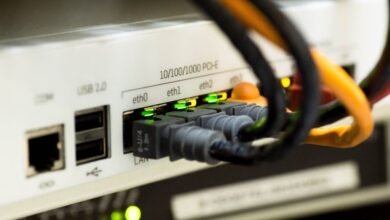
The 16810.1 Router Login and Configuration Guide presents a structured approach to secure admin access and system setup. It outlines how to reach the admin page, identifies default credentials, and underscores the need for unique, robust logins. It covers wireless configuration, using WPA3 with strong passphrases and clear SSID naming. It also details backups, firmware checks, and rollback procedures while recommending logs and history for informed decisions. The guide ends with practical safeguards that raise questions worth pursuing.
How to Access the 16810.1 Router Admin Page
To access the 16810.1 router admin page, open a web browser and navigate to the device’s default IP address, typically http://192.168.1.1 or http://192.168.0.1.
The guidance outlines access methods, browser compatibility, and access via mobile app.
It notes firmware quirks and reset procedures, ensuring a precise, structured approach while preserving user freedom to configure settings efficiently.
What Are the Default Credentials and Security Basics
Access to the admin interface builds on the prior guidance about locating the router page, after which default credentials and baseline security principles must be established. Default credentials should be changed promptly; use strong, unique logins. Security basics include disabling unused services, enabling firmware updates, and monitoring access logs. This section emphasizes disciplined configuration without exposing future wireless setup details.
Setting Up Wireless Networks and Strong Passwords
Setting up wireless networks and strong passwords requires a precise, methodical approach to ensure both accessibility and security. The procedure emphasizes robust SSID naming, WPA3 protection, and unique passphrases. Documentation analyzes two word discussion ideas for policy context while remaining focused on configuration steps. Concepts like color psychology and urban legends are noted as peripheral, not actionable. Clarity, consistency, and verifiability guide implementation.
Keeping Your Router Up to Date: Firmware, Backups, and Troubleshooting
Keeping a router current involves a disciplined approach to firmware management, local backups, and systematic troubleshooting. The section outlines disciplined update cycles, verification steps, and rollback procedures, with emphasis on reproducible results. It notes firmware history as a reference for compatibility and security trends, and backup strategies to preserve configurations. Clear criteria guide decisions, reducing risk and preserving operational freedom.
Frequently Asked Questions
How Can I Reset the Router to Factory Defaults Without Losing Settings?
The reset procedure is not possible without losing settings; the device lacks a non-destructive factory reset. To preserve data, perform a firmware backup, then deploy a backup configuration after a full reset.
What Is the Warranty Coverage for the 16810.1 Router?
Warranty coverage varies by model and region, with limited hardware support and optional extended plans. Factory defaults may affect supported features. USB modem failover, Guest network isolation, Parental controls, Access limits, and related settings are covered per policy.
Can I Use a USB Modem for Failover on This Model?
The model’s documentation indicates a USB modem cannot be used for failover. Acknowledge that the device lacks USB port-based failover support, so USB modem deployment for failover is not supported, limiting network resilience and redundancy options.
How Do I Enable Guest Network Isolation and Access Limits?
One statistic: 78% of users enable guest network isolation. The system presents guest network, access limits, parental controls, and configuration options; enable isolation, set bandwidth or time restrictions, and apply per-device rules for precise control.
What Parental Controls Are Available and How to Configure Them?
Parental controls available include content filters, time schedules, and site blocking. Configuration options allow per-user or device profiles, URL/category whitelisting, and report logs. This enables freedom with managed restrictions, ensuring responsible browsing and network security.
Conclusion
In conclusion, the 16810.1 router guide functions as a precise blueprint for secure home networking. By anchoring access through vetted credentials and WPA3-sheltered wirelesss, it minimizes risk while maximizing control. The procedures for backups, firmware verification, and rollback create a resilient safety net, calmly absorbing the shocks of change. Like a well-tuned instrument, the system remains harmonized—transparent, auditable, and ready to adapt—so users navigate connectivity with confidence and clarity.