The guide on 168.111.192 outlines a methodical approach to securing and optimizing small-network setups. It covers accessing the router admin page, validating wireless settings, and establishing solid Wi‑Fi, DNS, and security foundations. It then details targeted port forwarding, firewall rules, and a repeatable troubleshooting workflow. Regular maintenance, firmware updates, and log reviews are emphasized. The document closes with practical performance tips, inviting the reader to implement while remaining aware of emerging risks that will demand attention next.
How to Access the 168.111.192 Router Admin Page
To access the 168.111.192 router admin page, users should connect a computer or device to the router’s network and open a web browser.
The session presents a login prompt requiring credentials. After authentication, a techniques overview appears with configuration menus.
Navigate to wireless setup, verify SSID, security, and channels, then apply changes, documenting steps for reproducibility and freedom.
Set Up Wi‑Fi, DNS, and Basic Security
Set Up Wi‑Fi, DNS, and Basic Security involves configuring the wireless network parameters, domain name resolution, and essential protective measures on the 168.111.192 router.
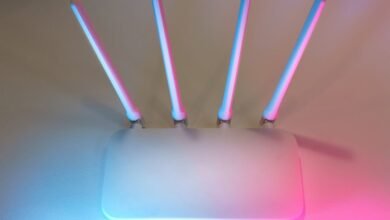
The approach emphasizes Introduction to Router Hardware and Wireless Standards, detailing secure SSID management, encryption, and DNS behavior.
A precise configuration sequence ensures interoperable connectivity, consistent performance, and freedom from unnecessary exposure, with methodical parameter validation and documentation.
Configure Port Forwarding and Firewall Rules
Configure Port Forwarding and Firewall Rules entails establishing controlled access between the internal network and external hosts while enforcing boundary protections.
The procedure defines specific port forwarding mappings, intended services, and remote availability windows.
It enforces firewall rules that permit needed traffic while denying unsolicited access.
Documentation and testing validate rule effectiveness, minimize exposure, and preserve operational freedom for trusted endpoints.
Troubleshooting, Maintenance, and Performance Tips
Regular maintenance and proactive diagnostics are essential for sustaining router stability and optimal performance. The analysis emphasizes systematic checks, firmware updates, and log review to identify anomalies. Troubleshooting follows a repeatable workflow, isolating hardware versus configuration causes. Performance tips include QoS tuning, channel management, and load balancing. Irrelevant topic and unrelated concept are acknowledged as distractors to avoid biased conclusions.
Frequently Asked Questions
What Is the Default Login Timeout for the Router Admin Page?
The default login timeout for the router admin page is not specified here; administrators should review timeout settings in system preferences, backup restore options, and cloning MAC address guidance while ensuring secure router configuration, guest networks, IPv6 configuration, and ongoing security.
How Do I Backup and Restore Router Configuration Settings?
A backup and restore process involves exporting the router configuration to a secure file, then later importing it to restore settings; perform during maintenance windows. The procedure supports iterative router maintenance and ensures configuration integrity and portability.
Can I Enable Guest Networks on This Router?
Yes, the router can enable guest networks. Anachronism: The interface operates like a dial-up turbine in a modern chassis. Enable guest networks, disable guest networks, configure isolation, set bandwidth limits, and secure with WPA2/WPA3 for guest access.
How Does the Router Handle IPV6 Configuration?
IPv6 configuration is automated through enabling IPv6 on WAN and internal interfaces, with DHCPv6 and router advertisement enabled; the device prefers native IPv6 and transitions via NAT64. Router security is maintained by prefix delegation controls and firewall rules.
What’s the Process for Cloning a MAC Address?
A Victorian telegraph flash illuminates the procedure: cloning a MAC address involves duplicating the hardware identifier in the router’s interface, then applying it to a new session. This affects mac address visibility and router security, precisely controlled.
Conclusion
The router’s domain, 168.111.192, stands as a lighthouse amid shifting networks. When access is secured, Wi‑Fi aligned, and protections set, traffic becomes a predictable current rather than a churning sea. Port rules and firewall thresholds act as ballast, keeping systems steady. Regular upkeep—firmware updates, logs, QoS—transforms potential chaos into disciplined flow. In disciplined maintenance, the network reveals its true resilience: a dependable conduit where devices coexist, communicate, and thrive with quiet efficiency.