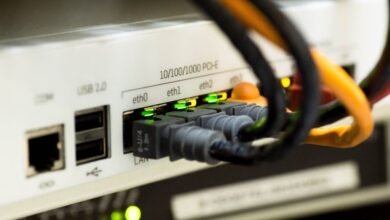
The 90.1502 Invalid IP Address Error Guide explains how a numeric address fails IP formatting or falls outside allowed ranges, signaling a protocol mismatch. It outlines common triggers to verify first, then provides step-by-step fixes for routers, devices, and DHCP. The guide emphasizes addressing hygiene, subnet alignment, and proper reservation to prevent clashes. It invites practitioners to follow a structured approach, with actions that reveal the underlying source while leaving the next decision hanging. Progress hinges on disciplined troubleshooting.
What the 90.1502 Invalid IP Address Error Means
The 90.1502 Invalid IP Address Error indicates that a numeric address supplied to a network interface or service does not conform to the expected IP address format or falls outside permitted ranges. This invalid ip condition signals mismatch between supplied data and protocol requirements, prompting corrective action.
Operators assess syntax, enforce ranges, and verify configuration to prevent recurring address error occurrences and ensure connectivity.
Common Triggers You Should Check First
Common triggers often stem from misconfigurations or overlooked inputs that precede broader failures. In this section, the analysis remains concise and procedural, focusing on immediate checks.
Idea one centers on input validation and subnet alignment, while discussion two emphasizes consistent DHCP behavior.
An unrelated topic note reminds readers to separate configuration drift from actual failure modes, ensuring precise diagnostics. No fluff.
Step-by-Step Fixes for Routers, Devices, and DHCP
First, a systematic checklist guides the fixes for routers, devices, and DHCP: confirm physical connectivity, verify IP schemes align with the intended subnet, and ensure DHCP ranges match router settings before proceeding to targeted corrections. The process isolates invalid IP address error sources, guides router reboots, device renewals, and DHCP scope adjustments, delivering precise remediation without unnecessary steps or ambiguity.
Preventive Practices to Avoid Recurrence
Preventive practices focus on sustaining valid IP configurations by embedding proactive checks into routine network operations.
The guidance covers IP addressing hygiene, DHCP pitfalls avoidance, and Router misconfigurations detection.
It advocates Network segmentation, preventing Subnet clashes, and ongoing IP conflict troubleshooting.
Practices compare DNS vs DHCP roles, address IPv4 vs IPv6 differences, and enforce Reserved addresses, Lease renewal, and Address reservation discipline for reliable networks.
Frequently Asked Questions
Can a Misconfigured DNS Cause 90.1502 Errors?
Yes, a misconfigured DNS can lead to an invalid IP address being returned. This disrupts routing, causing 90.1502-like errors. The operative steps involve validating DNS records, clearing caches, and testing resolutions to ensure accurate IPs.
Does IPV6 Affect This Invalid IP Address Error?
IPv6 impact: Yes, it can influence the error behavior by altering address formatting and resolution paths; DNS misconfig may exaggerate or mask the issue, requiring careful debugging of AAAA records, DNS reachability, and resolver configuration.
Can Broken Cables Trigger 90.1502 Messages?
Yes; broken cables can trigger 90.1502 messages, as physical faults disrupt signals and provoke IP misrouting. In procedure terms: inspect hardware, replace damaged cables, verify connectivity, then check DNS configuration for misconfigured DNS issues alongside the error.
Is There a Windows-Specific Fix for This Error?
There is no unique Windows-specific fix; the solution hinges on DNS misconfiguration. Affected users should verify DNS settings, flush caches, renew addresses, and ensure proper server entries. Implement conservative, security-aware changes to preserve freedom and stability.
Does This Error Indicate Compromised Network Security?
The answer: No, not inherently. It may reflect compromised security or network vulnerability, often tied to misconfigured DNS, IPv6 impact, or broken cables; a Windows fix could help, but uncertainty remains until diagnostics are performed.
Conclusion
The guide demystifies the 90.1502 Invalid IP Address error, outlining root causes and actionable remedies for routers, devices, and DHCP. By verifying connectivity, aligning IP schemes, and syncing DHCP ranges, users can restore proper addressing hygiene and prevent subnet clashes. With disciplined renewal of leases and orderly reservations, problems become predictable rather than disruptive—no more flying by the seat of one’s pants; steady practices keep the network on an even keel. In short, clamp down on bad addresses.