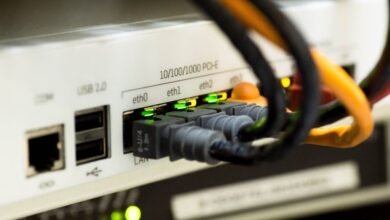
The 65.l53.200 Invalid IP Address Error Guide explains how misaddressing arises from invalid IPv4 formatting or allocation faults. It presents quick diagnostics, such as symptom confirmation and gateway reachability checks, followed by concrete fixes for Windows, macOS, and routers. The guidance emphasizes disciplined address design and routine firmware updates. It ends with preventive tips and common pitfalls. The discussion suggests there are actionable steps ahead, inviting readers to explore practical solutions and the rationale behind each approach.
What 65.53.200 Invalid IP Address Error Means
The phrase “65.53.200 Invalid IP Address Error” indicates that a device or application attempted to use an IP address that does not conform to valid IPv4 formatting or allocation rules.
The incident prompts clear error interpretation, guiding diagnostics and troubleshooting.
Understanding the anomaly helps resilience: identify misconfigurations, verify networks, and distill actionable steps without ambiguity.
Freedom lies in precise, structured analysis.
Quick Diagnostics to Confirm the Issue
Quick diagnostics begin with confirming the exact symptom and scope of the invalid IP address error. The evaluation centers on observable network behavior, device reports, and configuration anomalies. Key steps include validating IP settings, ping responses, and gateway reachability. This process supports efficient network troubleshooting, clarifying whether the issue is local, device-based, or broader, before proceeding.
Step-by-Step Fixes for Windows, macOS, and Routers
Windows, macOS, and routers each require distinct, step-by-step procedures to resolve invalid IP address issues. In network troubleshooting, each platform guides users through renewing the IP address, verifying gateway settings, and testing connectivity.
Windows may use ipconfig release/renew; macOS leverages Renew DHCP Lease; routers require reboot, LAN settings review, and DHCP verification. Precision ensures reliable IP address restoration.
Preventive Tips and Common Pitfalls to Avoid
Preventive tips and common pitfalls aim to reduce the occurrence of invalid IP address issues by addressing configuration habits, hardware reliability, and network planning.
This section outlines preventive measures, emphasizing disciplined address allocation, regular device firmware checks, and consistent subnet design. It also highlights common mistakes, such as uneven DHCP scopes and manual misconfigurations, that can degrade reliability and introduce misaddressing risks.
Frequently Asked Questions
Can Invalid IPS Affect VPN Performance and Stability?
Invalid IPs can degrade VPN performance, causing intermittent disconnects and slower throughput. They may create invalid routing paths or bottlenecks, forcing retries. The result is increased latency and instability, with VPN bottlenecks limiting secure, reliable connectivity and user freedom.
Do Mobile Devices Show the Same IP Errors?
Yes, mobile devices can show IP errors, though patterns differ from desktops. The report notes occasional unrelated topic glitches and off topic comparison from network layers, but persistence of invalid addresses remains possible across platforms with variable reliability.
How to Tell if DNS Is the Root Cause?
DNS issues may be root if ping fails, DNS lookups lag, and a captive portal or DNS hijack is suspected; check wrong subnet settings, verify router firmware, and test with alternative DNS to confirm.
Is a Static IP Always Safer Than Dynamic?
Is a static IP always safer than dynamic? Static vs dynamic IPs offer predictability and control but risk exposure; dynamic addresses can enhance privacy. The answer depends on use case, threat model, and the value placed on stability versus flexibility.
Should I Disable IPV6 to Fix the Error?
Disabling ipv6 may resolve certain misconfigurations, though it can affect compatibility. The decision should consider vpn performance; if issues persist, a controlled test with ipv6 disabled is prudent, ensuring alternatives remain accessible and secure for users seeking freedom.
Conclusion
In the grand theater of networks, the invalid IP address steals the spotlight, hampering every scene with unreachable gateways and existential DNS angst. Yet, our cast—Windows, macOS, and routers—delivers a brisk, methodical one-two punch: release and renew, verify the gateway, and reboot the starry device. If mischief lingers, redesign the script with sane DHCP scopes and timely firmware updates. Voilà: fewer plot twists, more reliable connectivity, and network performance that finally gets its standing ovation.