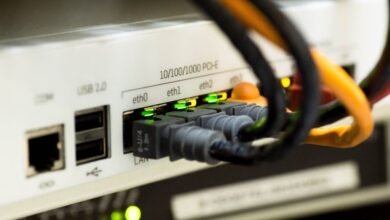
The discussion centers on a practical guide for the 168.118.1 router login and network configuration. It outlines secure local access, authenticated sessions, and verification before dashboard use, followed by precise mapping of IP, subnet, gateway, and DNS. It then covers robust Wi‑Fi security, guest networks, parental controls, and QoS, with troubleshooting and firmware maintenance. The structure provides a clear path to consistent, secure performance, inviting further examination of each configuration step and its implications.
How to Access the 168.118.1 Admin Panel
Access to the 168.118.1 admin panel is obtained via a web browser directed to the device’s local IP address. The procedure outlines reliable, deterministic steps: input credentials, verify session security, and access the dashboard. Accessibility features are enabled to assist diverse users, while firmware updates are reviewed for compatibility before applying, ensuring consistent, autonomous control and freedom from obsolescence.
Confirming and Mapping Your Device’s IP and Network Basics
Confirming and mapping a device’s IP and basic network configuration follows the initial access steps by establishing the correct address space and device identity.
This phase documents the chosen IP schema, subnet, gateway, and DNS, while verifying reachability.
It records network topology, facilitates device discovery, and ensures consistent addressing for future configuration, updates, and monitoring.
Locking Down Wi‑Fi: Passwords, Encryption, and Guest Network Setup
Locking down Wi‑Fi involves establishing robust authentication, strong encryption, and controlled guest access to protect the network from unauthorized use.
The analysis focuses on password security, emphasizing unique, long passphrases and periodic rotation.
Encryption defaults to WPA3 and, where available, WPA2 for compatibility.
A separate guest network isolates traffic, preserving core bandwidth and reducing risk from unknown devices.
Systematic configuration ensures auditable security.
Parental Controls, Qos, and Troubleshooting for 168.118.1 Router Settings
Parental controls, Quality of Service (QoS), and troubleshooting for the 168.118.1 router involve configuring content filtering and access schedules, prioritizing traffic, and diagnosing common connectivity issues.
The discussion emphasizes robust policy drafting, device-specific rules, and error handling.
Parsing errors are addressed through log review and configuration validation; firmware updates are recommended to ensure compatibility, security, and feature coherence across parental, QoS, and diagnostic settings.
Frequently Asked Questions
How Do I Recover a Forgotten 168.118.1 Admin Password?
To recover a forgotten 168.118.1 admin password, the user follows the reset procedure: perform a factory reset, access default credentials, then reboot and reconfigure things. This ensures regained access after a forgot password event.
Can I Update the Router Firmware Manually if Updates Fail?
Yes; manual update is possible with caution, but one should avoid bricking the device. The procedure may permit a firmware update or manual downgrade using a verified image, preserving settings and documenting version changes for recovery.
What Is the Default IP Conflict Resolution Process for 168.118.1?
Conflict resolution prioritizes device stability; when IP conflicts arise, the system isolates, retries, and assigns alternate addresses, ensuring seamless service. Firmware recovery procedures activate automatically if integrity failures occur, preserving connectivity while restoring proper addressing and configuration.
How Do I Reset the Router to Factory Settings Safely?
The reset procedure requires pressing and holding the recessed reset button for 10 seconds, restoring factory defaults. Network recovery follows, then reconfiguration. It is advised to secure backups and confirm connectivity before proceeding, ensuring freedom from unintended network exposure.
Is There a Mobile App for 168.118.1 Management?
There is no dedicated mobile app for 168.118.1 management. If used, it would require robust Mobile UI concepts and strict App security considerations to ensure secure remote control while preserving user freedom and minimizing exposure.
Conclusion
In sum, the 168.118.1 router guide crystallizes security and order within a living network. By locking credentials, mapping IP spaces, and enforcing WPA3/WPA2 with a rotating passphrase, it constructs a fortress of reliability. The structured steps—guest isolation, parental controls, QoS—shape a disciplined home of data, where devices breathe in synchronized harmony. When updates and maintenance occur, the topology remains resilient, calm, and prepared for the unpredictable currents of digital life.