The guide on 168.178.66 router login and WiFi configuration offers a clear, methodical approach to secure access and setup. It emphasizes verifying identity, updating firmware, and creating a strong WPA3 passphrase while monitoring devices. Steps cover accessing the admin panel, enabling security, and configuring SSID and channel. Each task is framed to prevent gaps in protection and compatibility. The path forward requires careful execution to ensure ongoing reliability and protection, inviting careful attention to the next steps.
How to Access the 168.178.66 Admin Panel
To access the 168.178.66 admin panel, open a web browser and navigate to http://168.178.66 or https://168.178.66.
The procedure emphasizes direct access, verification, and minimal friction. A security audit mindset confirms device identity and access rights.
Upon login, check for a firmware update and apply it only after confirming integrity, ensuring a stable, autonomy-preserving configuration environment.
Create a Strong WiFi Password and Enable Security
Creating a strong WiFi password and enabling robust security are essential steps in safeguarding the network; doing so reduces the risk of unauthorized access and protects connected devices. The guidance emphasizes using a long, unique passphrase, enabling WPA3 when available, and updating firmware updates promptly. Consider privacy concerns, store credentials securely, and monitor devices regularly to maintain resilient protection.
Configure SSID, Channel, and Basic Wireless Settings
Configuring the SSID, channel, and basic wireless parameters follows the establishment of a strong security posture; once passwords and protections are set, fine-tuning broadcast and performance becomes the next step.
The process selects a distinct ssid security name, assigns a stable channel, and sets essential wireless settings for clarity, reliability, and wireless optimization without compromising user autonomy.
Troubleshooting Common Login and Connectivity Issues
When users encounter login or connectivity problems with the 168.178.66 router, a systematic approach is essential to restore access and performance.
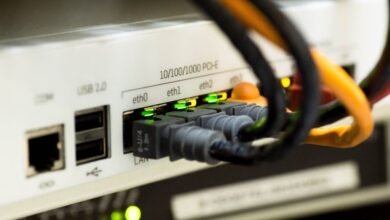
The process favors verification of cable integrity, router status, and LED indicators, followed by default credentials if needed.
Prioritize network optimization steps, and apply firmware updates to ensure compatibility, stability, and renewed security.
Frequently Asked Questions
Can I Use a Mobile App to Manage the Router Settings?
Yes, it can, utilizing a mobile app that supports mobile app control for adjusting settings, monitoring status, and managing access. It also handles firmware updates, ensuring the device remains secure and current while preserving user freedom.
What Is the Default Gateway IP for Different Networks?
The default gateway varies by device and network topology, typically the router’s address. In most cases, it’s 192.168.0.1 or 192.168.1.1. Network topology determines reachable subnets and gateway placement, guiding configuration with precision and freedom.
How Do I Export or Backup Router Configuration Files?
They can export settings by logging into the router, navigating to System or Administration, and selecting Export or Backup Configuration. The process creates a file for reliable backup configuration, enabling restoration when needed or migrating to another device.
Can I Revert to Factory Settings Without Losing Firmware?
Yes, a factory reset reverts settings while preserving firmware integrity; recovery mindset ensures careful steps, avoiding firmware corruption, and firmware stability is maintained by re-flashing only if necessary, keeping the version intact and network resilience intact.
Is There a Guest Network Feature and How to Enable It?
Yes, a guest network exists and can be enabled; it creates a separate wifi segmentation. The process involves navigating to wireless settings, enabling guest network, and configuring isolation to protect devices while preserving main network freedom.
Conclusion
This guide emphasizes disciplined, methodical router configuration to sustain security and reliability. By securing admin access, enforcing a strong WPA3 passphrase, and isolating a stable SSID and channel, users reduce exposure and improve performance. Example: a small office migrating from WPA2 restored stable connections and fewer device conflicts after updating firmware, enabling consistent VPN access. Hypothetically, a home user who regularly backs up settings and logs promptly detects unauthorized access attempts, enabling rapid containment and minimal downtime.