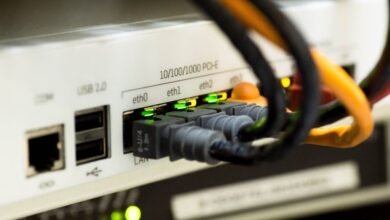
A disciplined approach governs access to the 168.185 router admin page. The guide emphasizes wired or trusted wireless connections, careful verification, and verifiable access points during setup. It offers a concise admin overview, strict login validation, and precise troubleshooting, all with thorough logging. After login, configuration must be auditable and rollback-ready, with role-based controls and a segregated guest network. The process invites scrutiny and caution, and a prudent practitioner will seek confirmation before proceeding to the next step.
How to Access 168.185 Router Admin Panel
To access the 168.185 router admin panel, begin by connecting a device to the router via Ethernet or a secure wireless network. The procedure remains deliberate, skeptical, and restrained, seeking verifiable access points. An unrelated topic may surface as a detour, yet remains irrelevant to admin operations. Any off topic concept distracts; focus yields freedom through controlled configuration and auditing.
Quick Overview of 168.185 Admin Page Basics
The 168.185 Admin Page provides a concise snapshot of core router settings, emphasizing layout consistency, access control, and real-time status indicators.
It presents a measured overview, highlighting essential features while inviting scrutiny.
Data privacy and user authentication are foregrounded as guardrails, not afterthoughts; skepticism remains.
The page favors transparency, minimalism, and freedom-oriented design without overpromising reliability or universal applicability.
Troubleshooting Common Login Issues on 168.185
Faced with login hurdles on the 168.185 router, administrators approach issues methodically, isolating whether symptoms arise from credential errors, network reachability, or interface glitches.
Troubleshooting workflows emphasize rigorous login validation, confirming token integrity, user permissions, and timeouts.
If anomalies persist, logs are cross-checked against baseline behavior, ensuring reproducible steps and avoiding assumptions; precision replaces guesswork to safeguard access integrity and freedom.
Securely Configure Settings After Login on 168.185
After successful login, administrators proceed to configure 168.185 settings with disciplined accuracy, ensuring that only authorized changes are applied. Settings are audited, changes labeled, and rollback procedures prepared. Alternative passwords reduce exposure, while role-based access restricts edits. In addition, a controlled Guest network setup isolates guests from main devices, preserving core integrity and minimizing risk during ongoing configuration. Skeptical certainty guides every adjustment.
Frequently Asked Questions
What Is the Default Username for 168.185 Routers?
The default username is not publicly standardized for all 168.185 models; administrators should consult device documentation. The approach remains cautious: verify via official sources before applying a firmware update, and avoid relying on default credentials for security and freedom.
Can I Change the Admin Password From the Router Page?
A notable 42% of users enable password changes only after compromise. Yes, one can change password from the router page. It’s prudent to perform a Firmware update first, then proceed with Change password, verifying settings afterward. Skeptical yet determined.
How Do I Update the Router Firmware Manually?
Updating firmware requires caution; manual upgrade steps involve verifying compatibility, selecting sources wisely, and confirming integrity. The process should include changing firmware sources if necessary, performing a verification after update, and maintaining freedom through vigilant skepticism.
Are There Guest Network Access Options on 168.185?
Guest access is available with configurable guest isolation, though options vary by model. The reviewer notes settings can be constrained; exercise prudence, verify firmware implications, and test connectivity while maintaining control over network boundaries and privacy.
How Do I Enable Remote Management Securely?
Remote management should be disabled by default; if enabled, use VPN and strong authentication. The approach addresses privacy concerns and IoT integration skeptically, prioritizes control and freedom, and emphasizes minimal exposure through encrypted, auditable remote access.
Conclusion
The guide presents a methodical, skeptical path to routine, verifiable access to the 168.185 router admin panel. Each step—trusted connectivity, concise admin overview, strict login validation, and auditable changes—builds a defendable chain of custody for configuration. It treats every credential as a potential threat and demands rigorous logging, rollback plans, and role-based controls. In practice, this disciplined approach eliminates ambiguity and, if followed, makes unauthorized access seem like a myth—an absurd hyperbole in the realm of plausible safeguards.