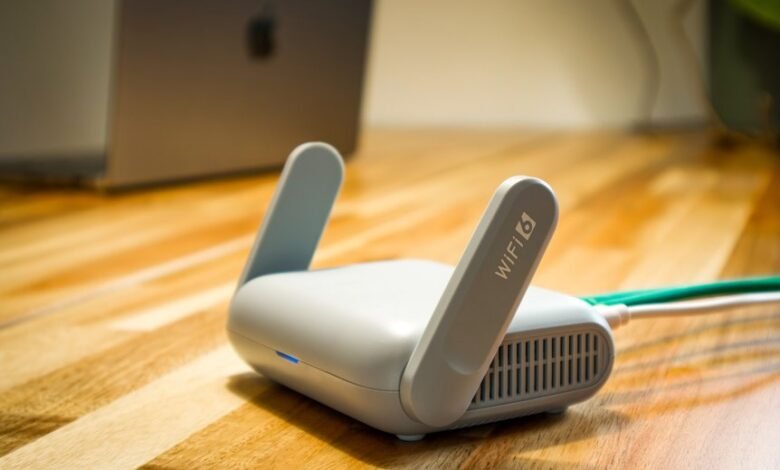
Access to the 168.178.42 admin panel begins with a connected device and a browser directed to http://168.178.42. The procedure emphasizes secure WiFi setup, including WPA3 or equivalent AES-256, revocable credentials, and guest isolation, alongside a unique SSID and strict password policies. Structured checks cover IP assignment, gateway, DNS reachability, and credential validation to enable reliable troubleshooting. The guide then proceeds to specify SSID, password, and security settings before addressing common issues, leaving a practical path forward for thorough configuration.
How to Access the 168.178.42 Admin Panel
To access the 168.178.42 admin panel, users must connect a device to the router’s network and navigate to http://168.178.42. Access methods are documented for compatibility, while firmware updates ensure security.
The panel reflects network topology and device compatibility, enabling configuration of parental controls and cloud management across supported interfaces, with clear steps for optimal control and freedom-oriented customization.
Secure Your 168.178.42 WiFi: Passwords, Encryption, and Guest Networks
Securing the 168.178.42 WiFi involves enforcing strong authentication, robust encryption, and controlled guest access.
The approach prioritizes unique, revocable credentials, WPA3 where available, and AES-256 equivalents.
Implement guest networks with isolated access, separate from main devices.
Monitor privacy risks, enforce strict access logs, and schedule firmware updates to close vulnerabilities without interrupting legitimate use.
Configure SSID, Password, and Basic Security Settings
Configuring the SSID, password, and essential security settings establishes the network’s identifiable name and access controls. The process documents SSID setup, assigns a unique network name, selects a password policy, and enforces minimum complexity. It enables Guest network isolation, enables encryption strength, and applies baseline protections. Settings remain transparent, auditable, and portable across devices while preserving user freedom to customize access.
Troubleshooting and Common Setup Issues for 168.178.42 Routers
Common issues when setting up 168.178.42 routers arise during initial configuration, wireless provisioning, and firmware validation. The report identifies two word discussion ideas: firmware updates.
Troubleshooting proceeds with structured checks: verify IP assignment, confirm default gateway, inspect DNS reachability, and test wireless credentials. Log error codes, confirm firmware integrity, and validate configuration backups. Systematic rollback and incremental reconfiguration minimize downtime and preserve freedom in network administration.
Frequently Asked Questions
Can I Update the Router’s Firmware Manually or Automatically?
The answer: Yes, firmware can be updated both manually and automatically. The update cadence should be configured to balance security patches with network stability, ensuring timely deployment of security patches while avoiding unnecessary interruptions; manual updates remain a controlled fallback.
How Do I Reset the Router to Factory Defaults?
A clockwork hush falls as the reset procedure begins. The router returns to factory defaults; factory reset use cases include clearing configurations. After completion, reconfigure network settings, security, and credentials to regain stable, freedom-friendly connectivity.
What Should I Do if I Forget the Admin Password?
If the admin password is forgotten, the user should perform a factory reset to regain admin access, then reconfigure settings. This method prioritizes security, resets credentials, and enables controlled access for forgotten password recovery and admin access restoration.
Does the Router Support Guest Network Scheduling or Limits?
The router supports guest network options with scheduling limits and configurable parental controls; firmware updates are available to refine capability. In a technically precise manner, it enables freedom through controlled access, monitoring, and timely refreshes without compromising core network performance.
How Can I Enable Parental Controls on This Model?
Parental controls are enabled via the router’s web interface: navigate to Security or Access Restrictions, create profiles, assign devices, and set time/content limits. Juxtaposition highlights precision against flexibility; parsing errors may occur if firmware language differs, color themes aid navigation.
Conclusion
A disciplined, methodical approach ensures repeatable success: verify each step from network access to credential validation, and confirm reachability of gateway and DNS after changes. By maintaining logs, performing non-disruptive firmware updates, and enforcing strong WPA3 encryption with revocable credentials and guest isolation, users minimize risk and maximize reliability. In the end, measure twice, cut once—consistent configuration and thorough testing yield secure, portable connectivity.